Proverbs Series
The Way of the Wise
What Proverbs teaches about leadership and character — counsel, humility, self-control, justice, discernment, reputation, and the fear of the LORD. A seven-book series. King James Bible only.
Explore the series ↓The Library of Series
Pick a series to open it belowA Seven-Book Leadership Series
The Way of the Wise
“Wisdom is the principal thing; therefore get wisdom: and with all thy getting get understanding.” — Proverbs 4:7 (KJV)
Seven short books on the character of a wise leader — counsel, humility, self-control, justice, discernment, reputation, and the fear of the LORD — each drawn straight from the book of Proverbs. King James Bible only. The series is releasing on Amazon through 2026.

Book One
The Multitude of Counsellors
Seeking advice, staying teachable, and making decisions you won’t regret.
“Where no counsel is, the people fall: but in the multitude of counsellors there is safety.” — Proverbs 11:14
The lone-wolf leader always loses. Every great decision you will ever make is one honest conversation away from becoming a better one — and every catastrophic one will look, in hindsight, like something a wiser friend could have talked you out of. This book walks through the wisdom of Proverbs on seeking advice, weighing it, and building the kind of inner circle that keeps a leader upright when everything else is shaking.
Book Two
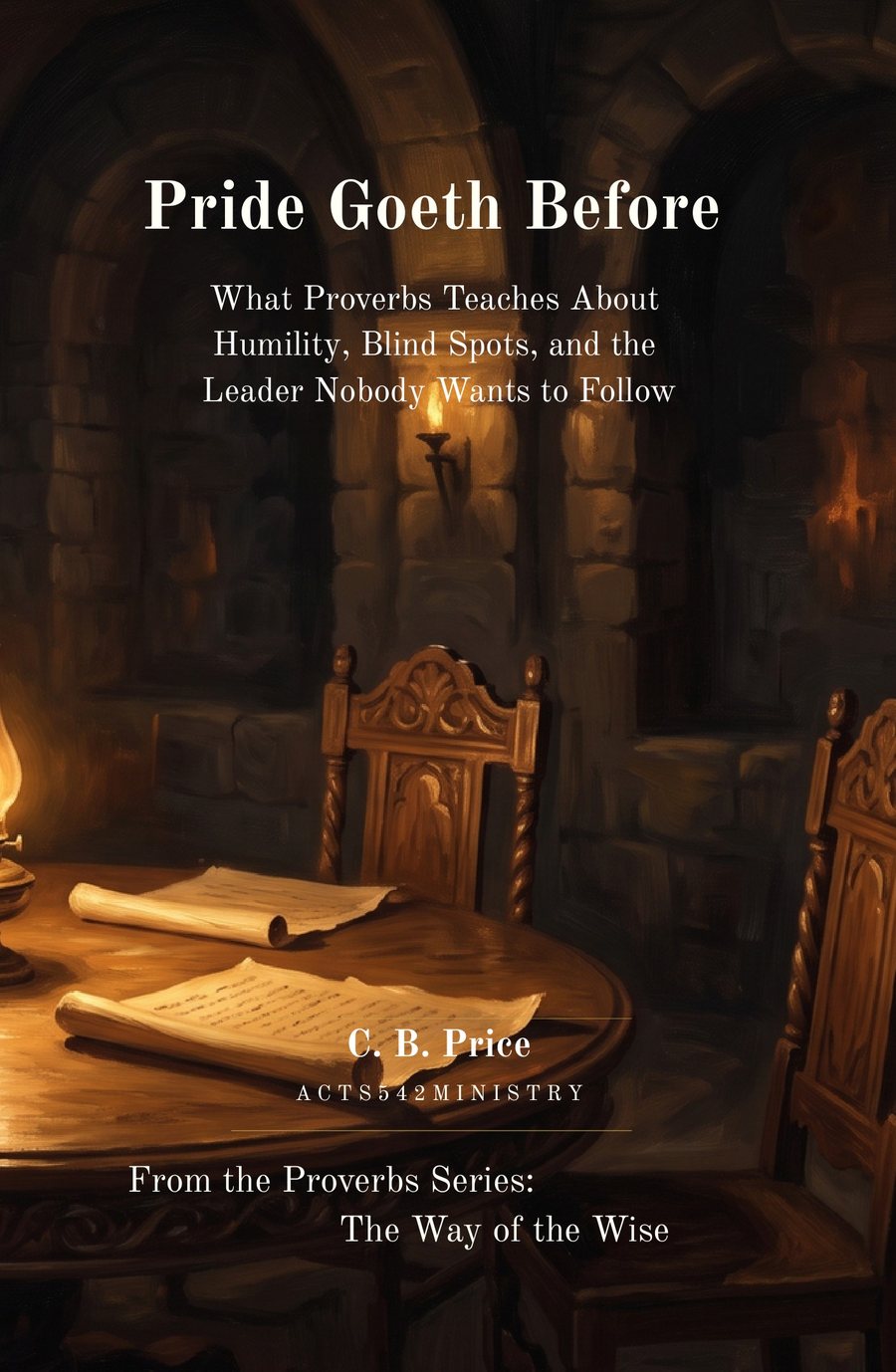
Pride Goeth Before
Humility, blind spots, and the leader nobody wants to follow.
“Pride goeth before destruction, and an haughty spirit before a fall.” — Proverbs 16:18
God keeps a list of things He hates, and pride is first — before murder, before lying. Pride is not one sin among many; it is the seedbed of the others, and it has toppled more leaders than every other failure combined. Rehoboam, Uzziah, Nebuchadnezzar — Solomon watched it happen and wrote down the diagnosis. This book walks through the anatomy of the fall, and the humility that Proverbs says goes before honour.
“A wise man will hear, and will increase learning; and a man of understanding shall attain unto wise counsels:”
Proverbs 1:5 KJV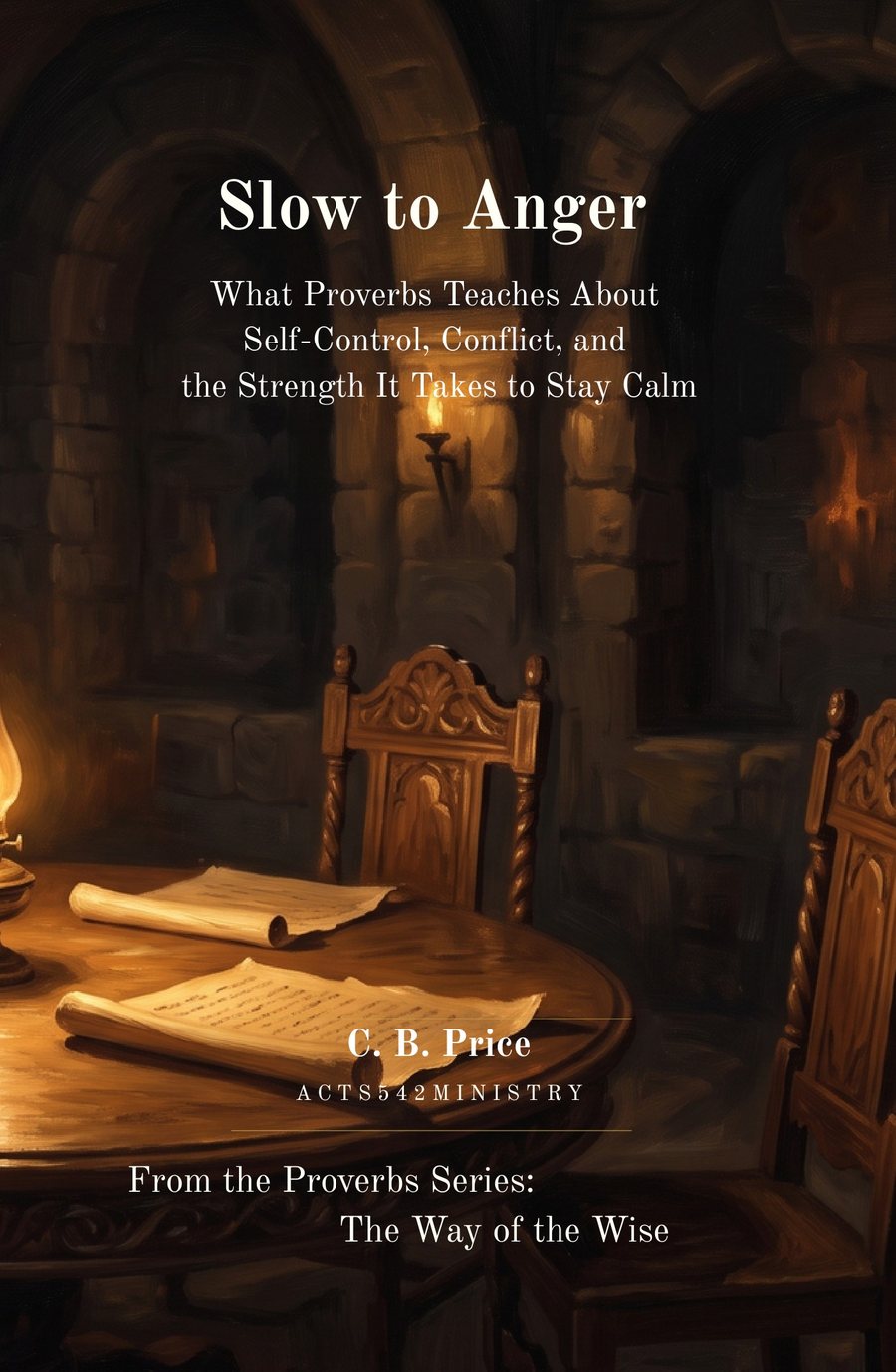
Book Three
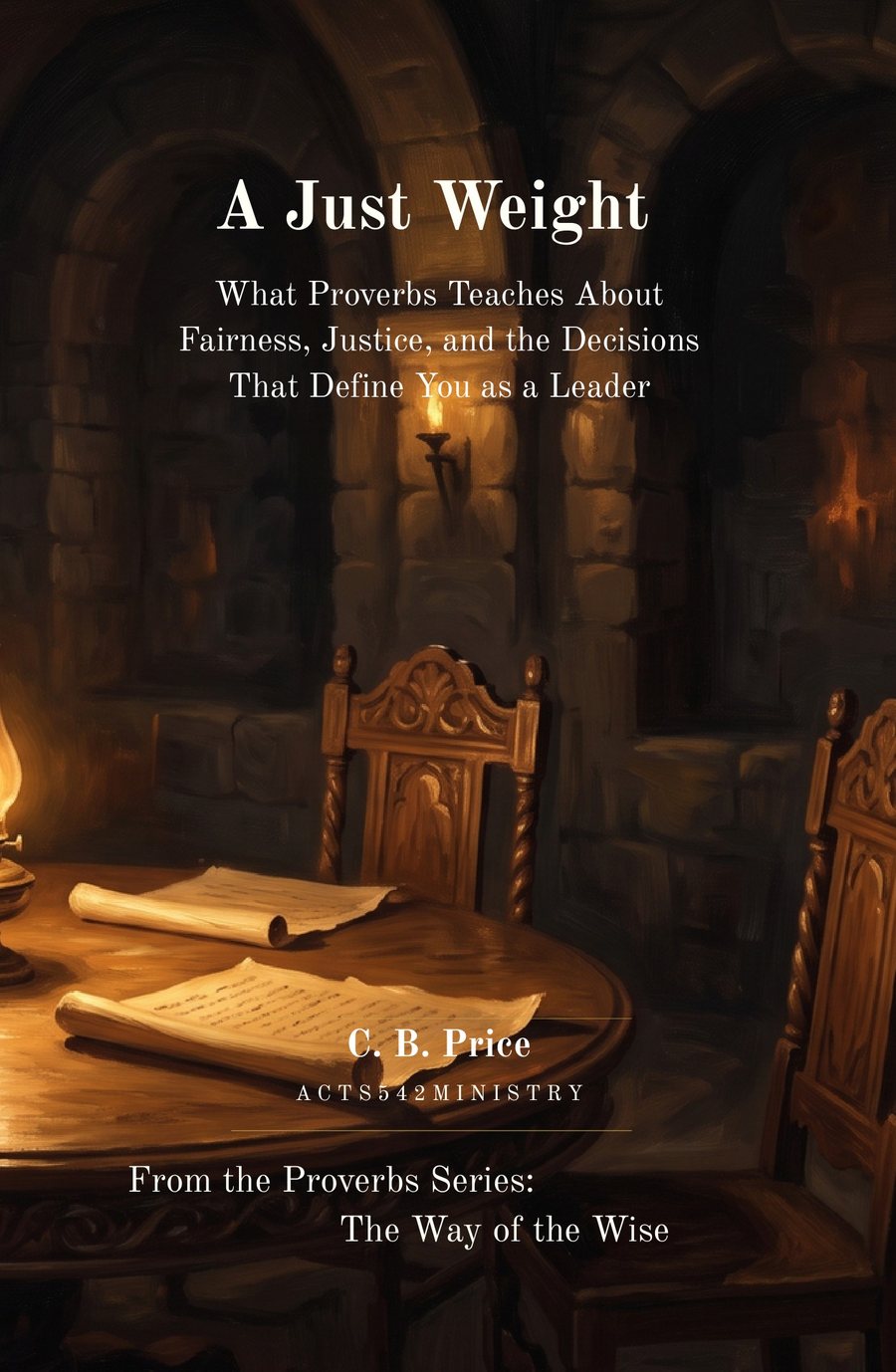
Slow to Anger
Self-control, conflict, and the strength it takes to stay calm.
“He that is slow to anger is better than the mighty; and he that ruleth his spirit than he that taketh a city.” — Proverbs 16:32
The man who rules his own spirit is stronger than the man who conquers a city. The leader who cannot control his temper is a walled city with the walls torn down — wide open to every attack that finds him. Slow to Anger walks through what Proverbs teaches about self-control, de-escalation, righteous anger, and the discipline of the soft answer: Moses at the rock, Abigail and David, and the strength it takes, every day, to stay calm.
Book Four
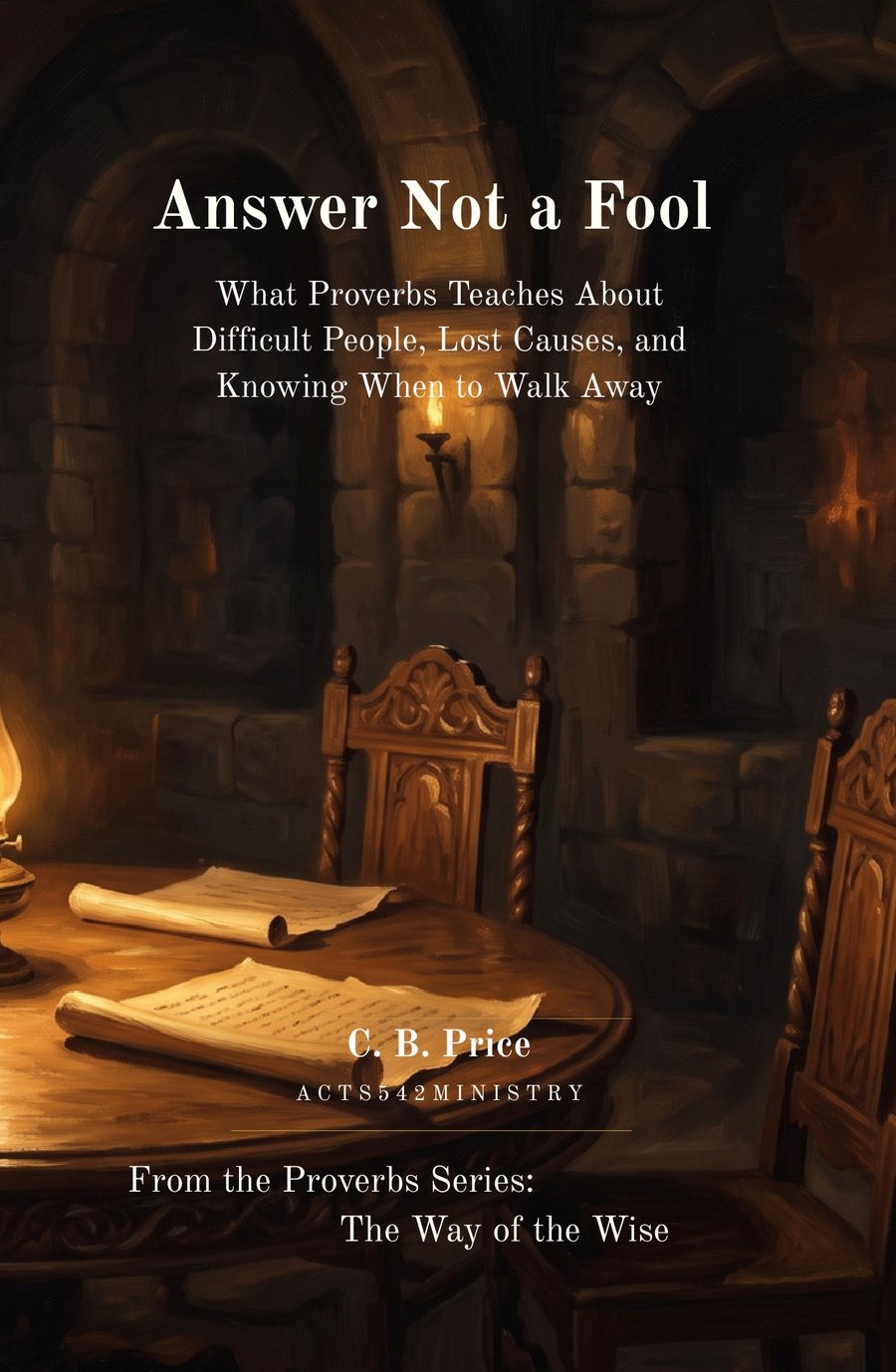
A Just Weight
Fairness, justice, and the decisions that define you as a leader.
“A just weight and balance are the LORD’s: all the weights of the bag are his work.” — Proverbs 16:11
God owns the scale — and He watches how you use it. Justice is not a policy question; it is a leadership question, and Proverbs is relentless about it. Solomon called dishonest scales an abomination four times and commanded leaders to open their mouths for the voiceless. A Just Weight walks through fairness, partiality, bribes, and defending the people who cannot defend themselves.
Book Five
Answer Not a Fool
Difficult people, lost causes, and knowing when to walk away.
“Answer not a fool according to his folly, lest thou also be like unto him.” — Proverbs 26:4
Some arguments cannot be won. Some people cannot be reached. And a wise leader knows the difference. Answer Not a Fool is Proverbs’ field manual for the real-world problem of people who will not be led — when to engage, when to walk away, when to cast out the scorner entirely: Solomon’s taxonomy of fools, Nehemiah’s “I cannot come down,” David walking away from Nabal, and the Lord Jesus silent before Herod.
“The fear of the LORD is the instruction of wisdom; and before honour is humility.”
Proverbs 15:33 KJV
Book Six
A Good Name
Reputation, influence, and the legacy you leave behind.
“A good name is rather to be chosen than great riches, and loving favour rather than silver and gold.” — Proverbs 22:1
A good name is worth more than money — Solomon meant it literally, not sentimentally but commercially. The name a man builds by faithfulness over decades opens doors money cannot buy and closes doors money cannot force. And when he is gone, his name will still be doing work. A Good Name walks through integrity, reputation, guarding other men’s names, and finishing well: Joseph in Potiphar’s house, Daniel whose enemies could find no fault.
Book Seven · The Capstone
The Beginning of Wisdom
The fear of the LORD — and why nothing else works without it.
“The fear of the LORD is the beginning of wisdom: and the knowledge of the holy is understanding.” — Proverbs 9:10
This is the book the other six were building toward — and the foundation they all rest on. Without the fear of the LORD, the counsel of Book One is technique, the humility of Book Two is manners, the self-control of Book Three is discipline. Every principle in this series is a technique until it rests on the fear of the LORD — and then it becomes wisdom. The capstone that ties the whole series together.
The Complete Series
Seven books on the way of the wise — King James Bible only, drawn straight from Proverbs. Releasing on Amazon through 2026.
A Six-Book Series
The Wisest Money Book Ever Written
“Riches and honour are with me; yea, durable riches and righteousness.” — Proverbs 8:18 (KJV)
Earning, integrity, saving, debt, wealth, and generosity — six subjects, six short books, every answer drawn straight from the book of Proverbs. King James Bible only, written for the way people actually earn and spend today.
Book One
The Hand of the Diligent
What Proverbs teaches about how you earn your living — and why it matters to God.
“He becometh poor that dealeth with a slack hand: but the hand of the diligent maketh rich.” — Proverbs 10:4
God has an opinion about how you earn your living. Work is not a curse — Adam had a job before the Fall. The Hand of the Diligent applies Solomon’s wisdom to four modern earner types — employee, contractor, business owner, and intrapreneur — and shows why diligence is not just a work ethic. It’s a spiritual practice.
Book Two
Don’t Rig the Scale
What Proverbs teaches about honesty, ethics, and the money you keep.
“A false balance is abomination to the LORD: but a just weight is his delight.” — Proverbs 11:1
Solomon mentioned dishonest scales four times in Proverbs — more than he wrote about the sluggard. The modern false balance is the hidden fee, the padded invoice, the inflated hours, and the buried contract clause. Don’t Rig the Scale asks whether the way you do business would survive God’s audit — and shows that the honest man builds a fortress out of reputation and God’s backing.
“Honour the LORD with thy substance, and with the firstfruits of all thine increase: So shall thy barns be filled with plenty, and thy presses shall burst out with new wine.”
Proverbs 3:9–10 KJV
Book Three
The Ant Never Filed for Bankruptcy
What Proverbs teaches about saving, planning, and building an emergency fund.
“Go to the ant, thou sluggard; consider her ways, and be wise:” — Proverbs 6:6
Most Americans cannot cover a $1,000 emergency. The ant gathered in summer for winter without anyone telling it to. Saving is not just smart — it is a moral act. This is the saving book: keeping what you earn before you spend it, and building the wall that protects your household when the storm hits.
Book Four
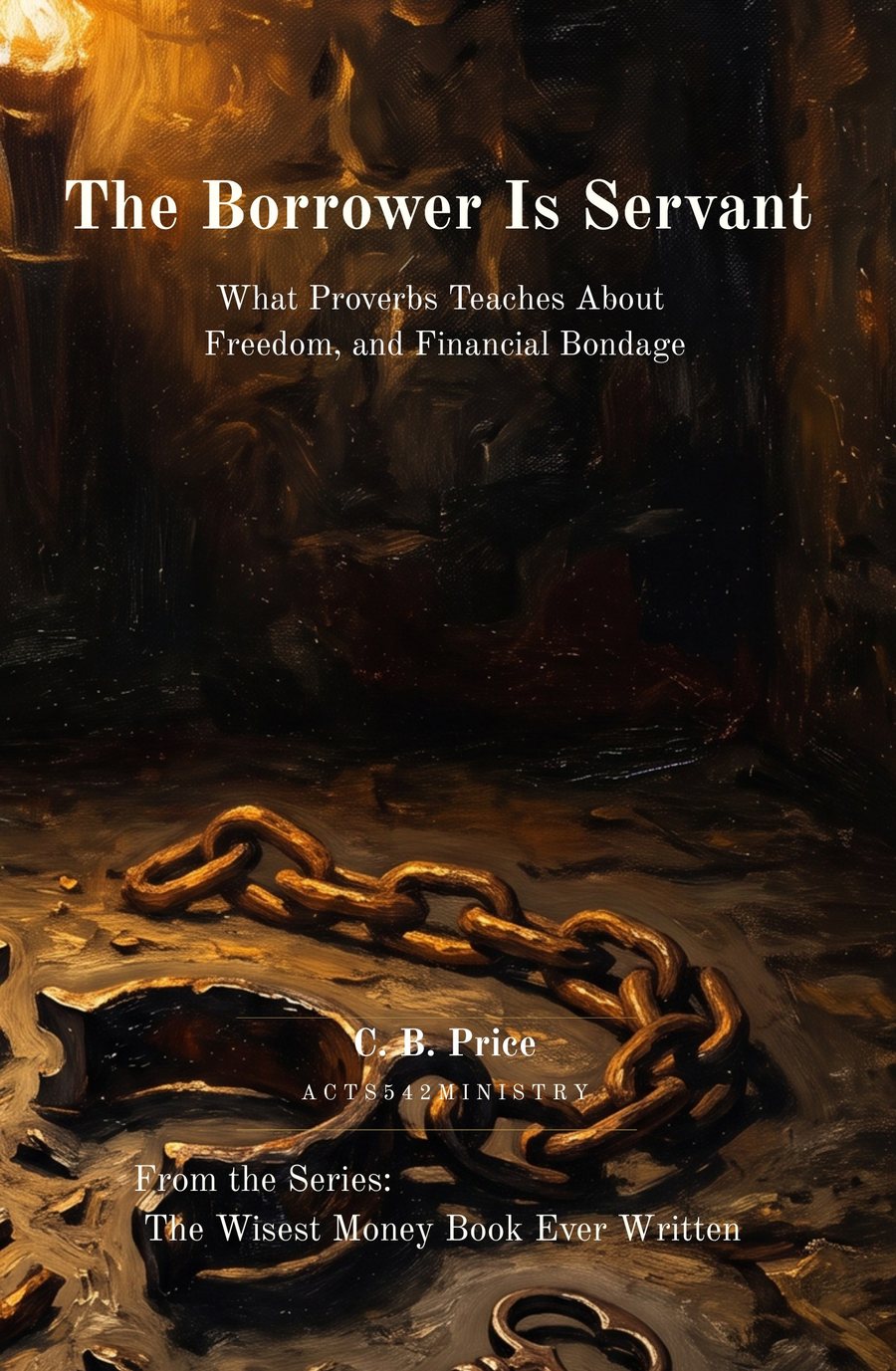
The Borrower Is Servant
What Proverbs teaches about freedom, debt, and financial bondage.
“The rich ruleth over the poor, and the borrower is servant to the lender.” — Proverbs 22:7
Six words changed everything: “The borrower is servant to the lender.” Solomon did not say all debt is sin — and neither does this book. It draws the line between destructive debt and strategic debt, then shows you how to get on the right side of it: the snare of cosigning, the speed required to escape bad debt, and why patience — not panic — is the tool that pays off.
“The blessing of the LORD, it maketh rich, and he addeth no sorrow with it.”
Proverbs 10:22 KJV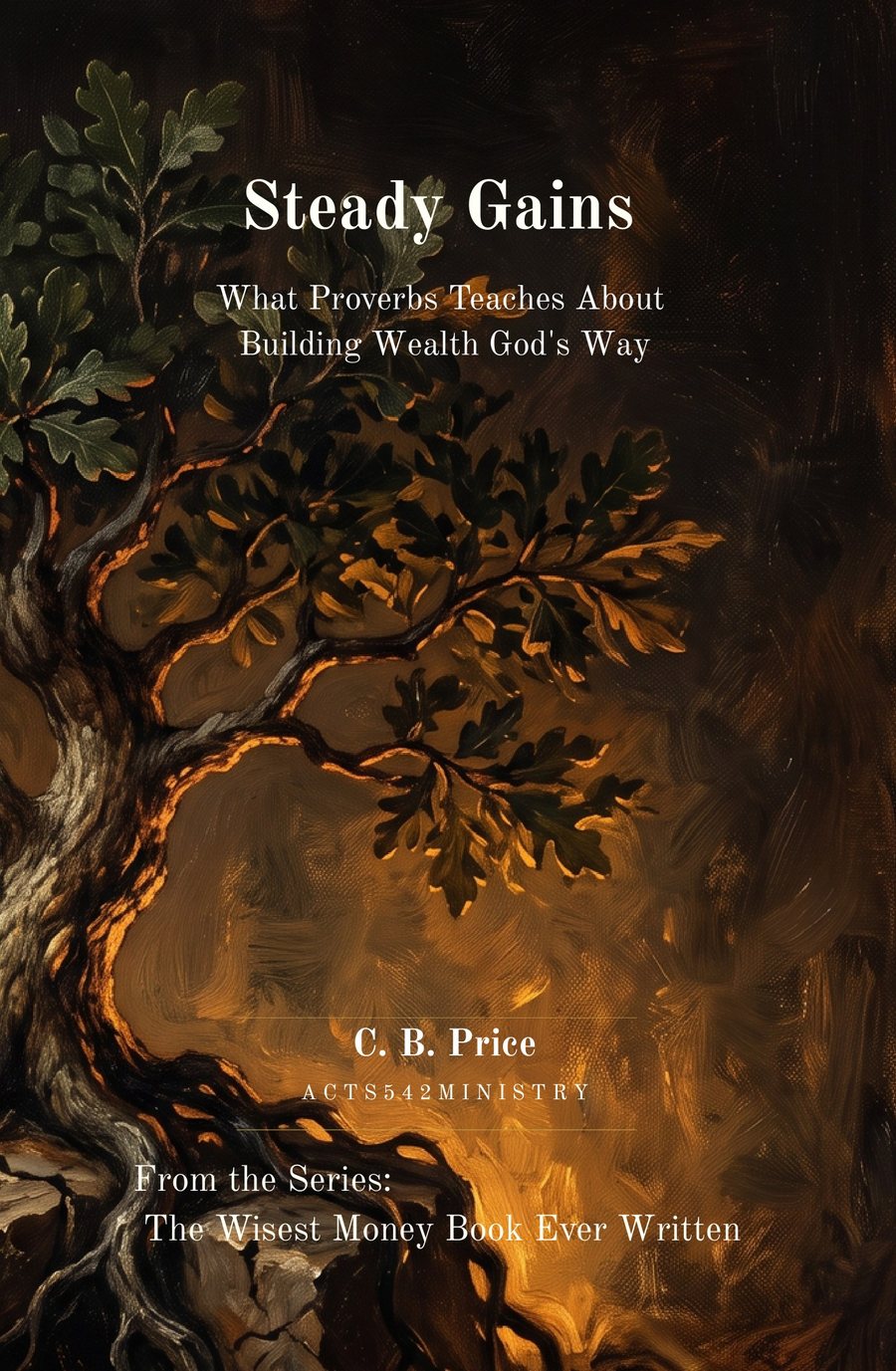
Book Five
Steady Gains
What Proverbs teaches about building lasting wealth God’s way.
“Wealth gotten by vanity shall be diminished: but he that gathereth by labour shall increase.” — Proverbs 13:11
Wealth is not a dirty word. Solomon was the wealthiest man of his world, and God made him that way. Steady Gains is about what comes after earning, integrity, saving, and escaping debt: building wealth that lasts and leaving something behind for your children’s children — the slow, steady path versus the get-rich-quick scheme that always collapses.
Book Six
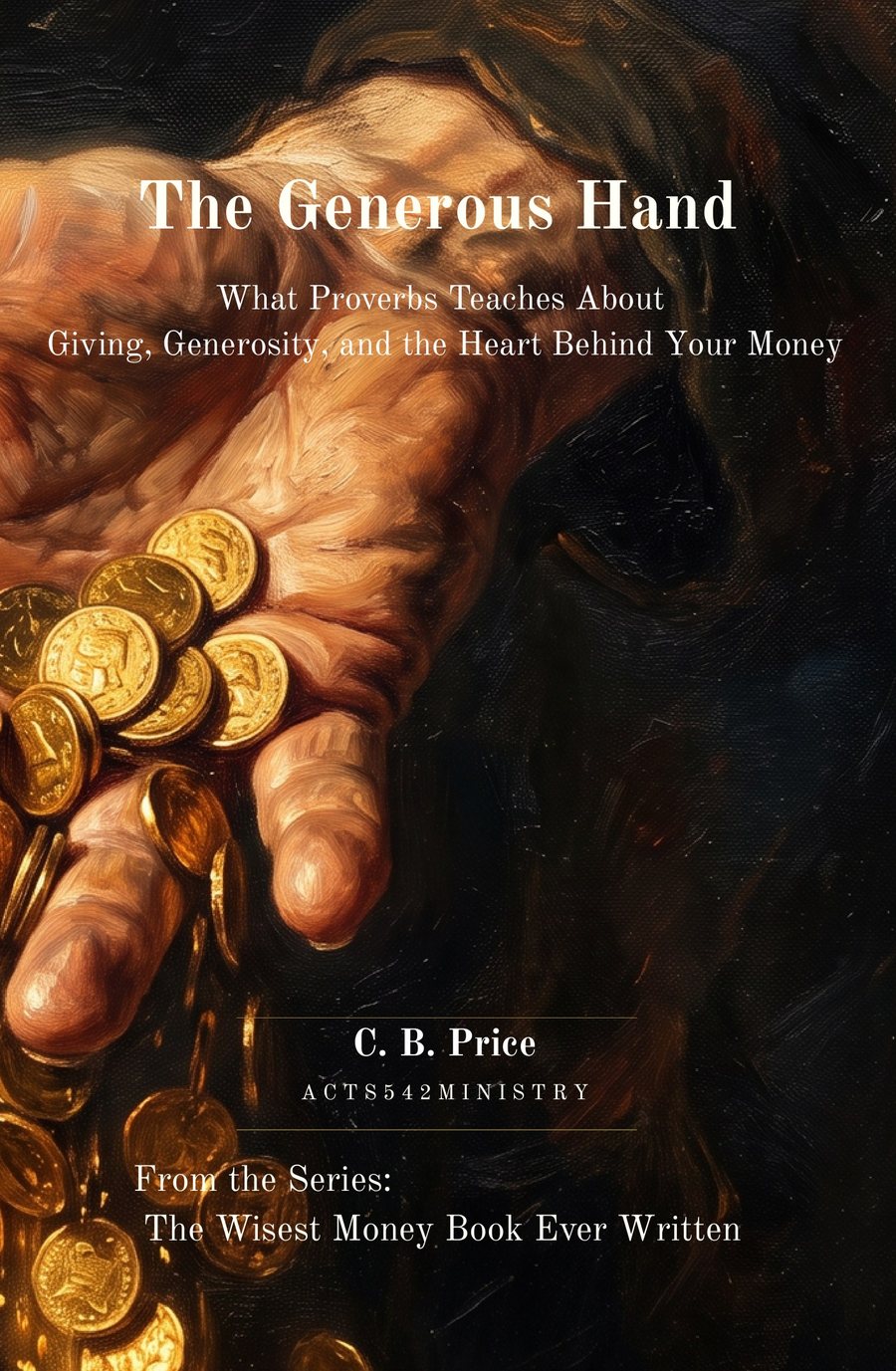
The Generous Hand
What Proverbs teaches about giving, generosity, and the heart behind your money.
“The liberal soul shall be made fat: and he that watereth shall be watered also himself.” — Proverbs 11:25
This is the book the other five were building toward. Earning, integrity, saving, debt freedom, and wealth — all of it exists to create margin. And margin is where giving lives. The Generous Hand combines Solomon’s generosity principles with Paul’s grace-giving theology, and shows where your giving should go: the local church, the poor, and the gospel.
Get the Whole Series
All six books — King James Bible only, drawn straight from Proverbs.